

Present Perfect Tense
1. What the Present Perfect Is (and Is Not)
GET THIS FREE SONG AND WORKSHEETS DELIVERED TO YOUR EMAIL HERE
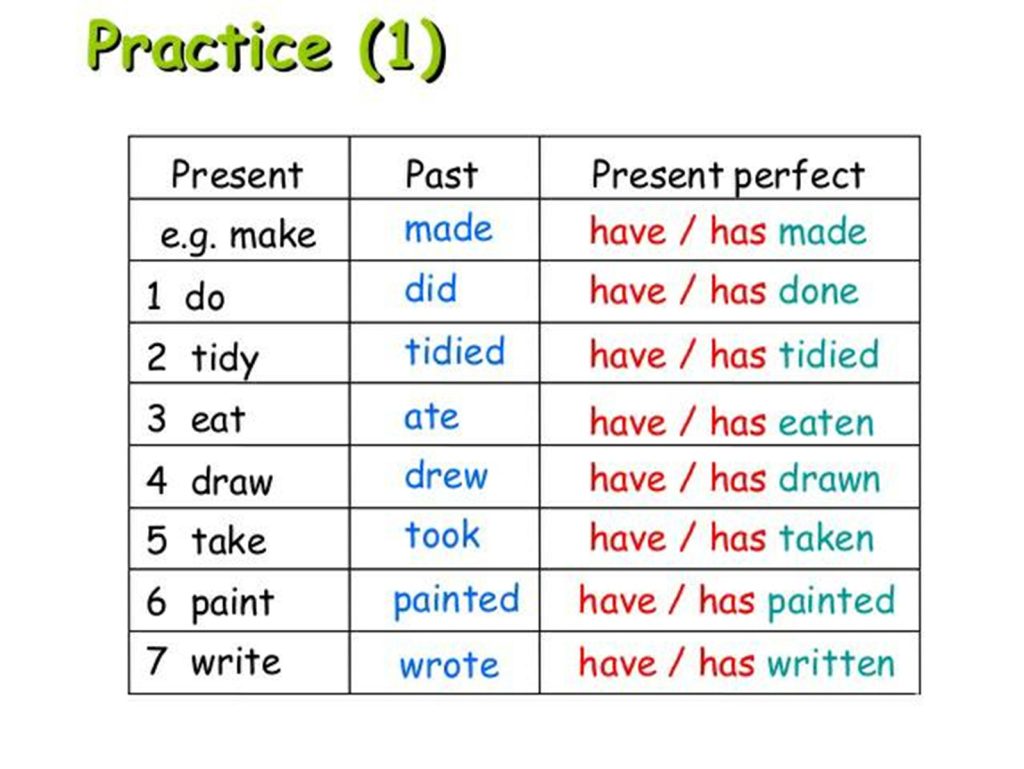 The present perfect connects the past with the present. We use it when:
-
the time is not finished, or
-
the result matters now, or
-
the experience is important, not the exact time.
Form:
have / has + past participle
Examples:
-
I have finished my homework.
-
She has lived here for five years.
-
We have never tried sushi.
👉 Key idea to tell students:
If you care about “when,” don’t use present perfect. If you care about “now,” use it.
2. Core Uses to Teach (with Examples)
A. Life Experience (Ever / Never)
Used to talk about experiences up to now.
-
Have you ever visited Japan?
-
I have never eaten octopus.
✅ No specific time mentioned.
B. Unfinished Time (Yet / Already / Just)
Used when the time period is not finished or the action affects the present.
-
I have already finished the report.
-
She hasn’t replied yet.
-
We have just arrived.
C. Actions That Started in the Past and Continue Now
(With for and since)
-
I have worked here for ten years.
-
He has lived in Sydney since 2018.
👉 Emphasise:
-
for = length of time
-
since = starting point
GET MY SONGS AND WORKSHEETS DELIVERED FREE TO YOUR EMAIL HERE
3. Present Perfect vs Past Simple (Key Contrast)
This is where intermediate learners struggle most.
| Past Simple | Present Perfect |
|---|---|
| Finished time | Unfinished / connected to now |
| When matters | When does NOT matter |
| yesterday, last year | ever, never, already, yet |
Examples:
-
I visited Paris in 2019. ✅ (finished time)
-
I have visited Paris. ✅ (life experience)
Teach this as a choice, not a rule.
4. Common Student Errors to Address
❌ I have seen him yesterday.
✅ I saw him yesterday.
❌ I am living here since 2020.
✅ I have lived here since 2020.
❌ Did you ever try sushi?
✅ Have you ever tried sushi?
Correct errors by asking:
“Is the time finished or unfinished?”
5. Teaching Tips for Success
-
Use timelines to show the connection between past and now
-
Elicit answers before explaining rules
-
Recycle adverbs (ever, never, already, yet, just) often
-
Personalise questions to increase fluency
Example speaking prompt:
“What is something you have done recently that you are proud of?”
6. Simple Practice Ideas
-
Find someone who has… (experience activity)
-
Sentence transformation (past simple → present perfect)
-
Error correction from real student mistakes
-
Pair interviews using ever / since / for