English Spelling Mistakes
 English Spelling Mistakes Teaching
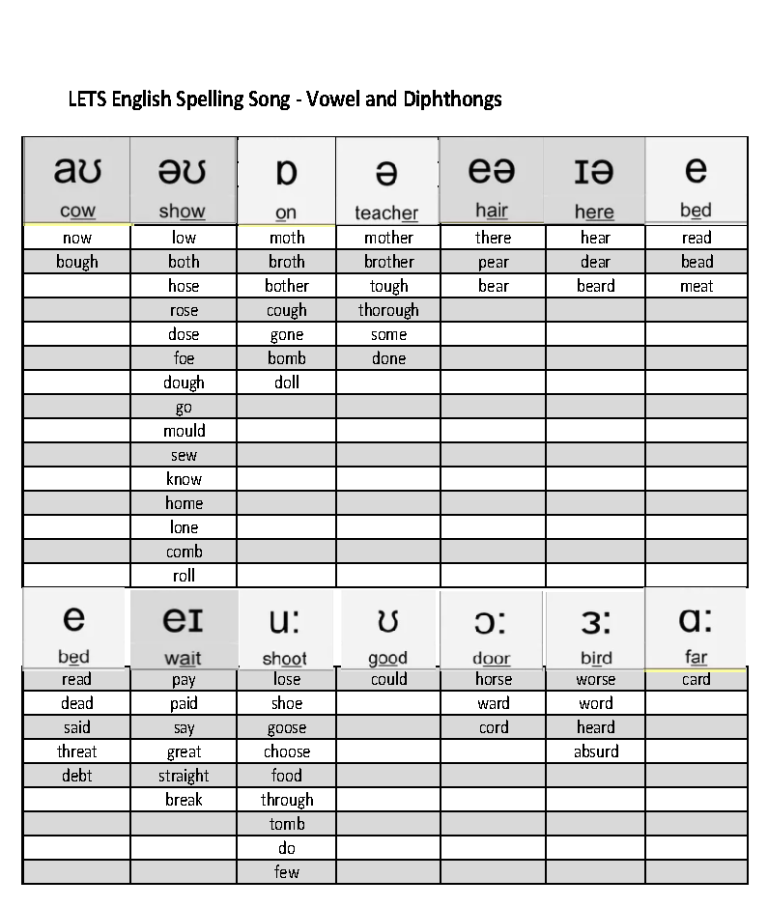
GO HERE for my English Spelling Sounds Song and Worksheets
🔍 Teach Spelling Through Patterns, Not Just Memory
One of the most effective ways to help learners improve their spelling is by teaching spelling patterns and rules, rather than relying on rote memorization. English spelling can seem irregular, but there are many helpful patterns (like i before e except after c, or how -ed endings are spelled for past tense). Highlight these patterns and group words accordingly (e.g., “believe,” “relieve,” vs. “receive,” “deceive”). This pattern-based approach helps learners recognize and apply rules across a wider range of vocabulary.
✂️ Focus on High-Frequency English Spelling Mistakes
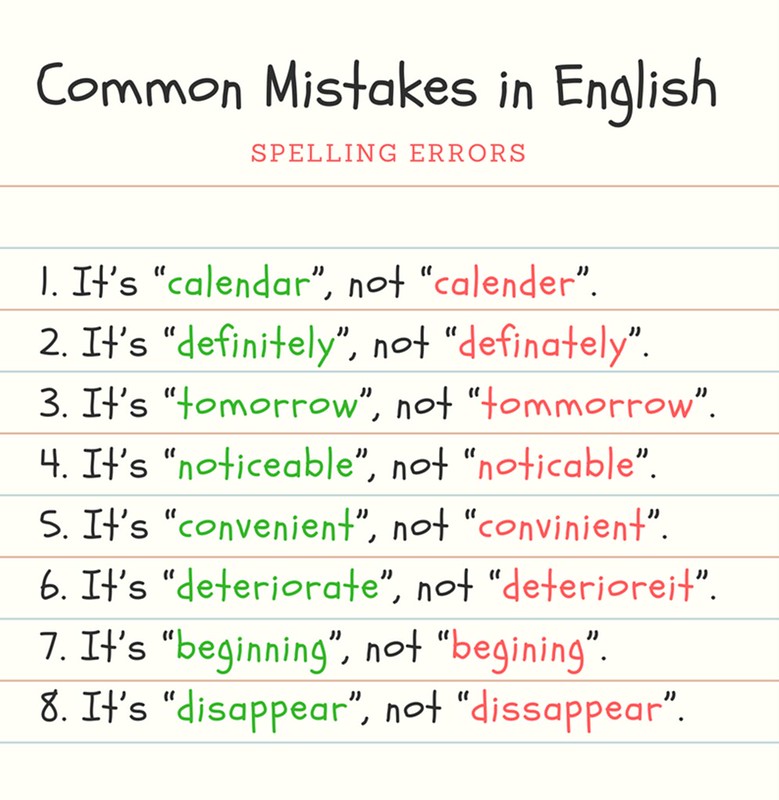
Be aware of the most common spelling errors learners make, such as:
-
Confusing homophones (e.g., “their/there/they’re”)
-
Doubling consonants incorrectly (e.g., “runing” instead of “running”)
-
Adding or omitting silent letters (e.g., “wich” instead of “which”)
-
Confusing British vs. American spellings (e.g., “colour” vs. “color”)
Prepare targeted spelling lists and activities based on these frequent errors, especially drawn from learners’ own writing.
✍️ Use Writing as a Diagnostic Tool
Collection of real writing samples from students to identify consistent personal spelling mistakes. These become the basis for individualized spelling lists and classroom mini-lessons. Rather than correcting every error, focus on a few recurring issues and create activities that raise awareness and provide focused practice.
🧠 Teach English Spelling Strategies, Not Just Corrections
Good spellers use strategies. Teach your students to become more independent by using techniques like:
-
Sounding out the word and writing a phonetic version first
-
Chunking syllables (e.g., “en-vi-ron-ment”)
-
Using mnemonics (e.g., “necessary has one collar and two sleeves”)
-
Encouraging use of spell checkers + self-correction
By integrating strategy instruction with practical activities, learners gain confidence and accuracy.
📚 Make English Spelling Interactive and Fun
Finally, remind your students that spelling practice doesn’t have to be boring. Use games, puzzles, spelling bees, gap-fill exercises, and peer correction tasks to make spelling both engaging and effective. Visual tools like word walls, spelling journals, and personal dictionaries can also support long-term retention.